

The optimal time for installing landscape lighting is not a singular moment but rather a phase within a broader landscape design or renovation project. Understanding this temporal interplay is crucial for an efficient and cost-effective installation. Consider landscape lighting not as an isolated addition, but as an integral layer, much like the foundation of a house.
The Planning Phase: A Crucial First Step
Before any physical work begins, a meticulous planning phase is paramount. This initial stage allows for comprehensive design, material selection, and budget allocation. Rushing this step often leads to rework and increased costs.
Integrating Lighting into Overall Landscape Design
If you are embarking on a new landscape design or a significant renovation, integrating lighting design from the outset is highly recommended. This allows for seamless incorporation of wiring, fixture placement, and power source considerations. Think of it as weaving the threads of your landscape from the very beginning, rather than patching them on later. This approach prevents conflicts with other landscape elements, such as irrigation systems or hardscaping. For instance, trenching for lighting can be synchronized with trenching for irrigation, minimizing disturbance to your lawn or garden beds.
Establishing Your Lighting Goals
Before selecting any fixtures, clearly define what you want your lighting to achieve. Are you aiming for enhanced security, aesthetic appeal, improved functionality for evening entertainment, or a combination of these? Understanding your objective will guide fixture choices, light intensity, and beam patterns. A path light differs significantly from a spotlight illuminating a specimen tree, just as a paintbrush differs from a chisel.
Budget Formulation and Material Selection
The planning phase is the ideal time to establish a realistic budget. This includes costs for fixtures, wiring, transformers, labor, and potential permitting fees. Research different types of lighting technologies (LED, halogen) and fixture materials (brass, copper, aluminum) to understand their pros, cons, and associated costs. Remember, quality fixtures often represent a long-term investment, reducing replacement frequency and energy consumption.
If you’re considering enhancing your outdoor space with landscape lighting, it’s essential to know the best time to install it for optimal results. For a comprehensive overview, you can refer to the article titled “The Best Time to Install Landscape Lighting: Enhancing Your Outdoor Space,” which provides valuable insights and tips on timing and installation. To read more, visit here.
Optimal Times for Physical Installation
While planning can occur at any time, the actual physical installation of landscape lighting is best undertaken during specific periods to minimize disruption and maximize efficiency.
Weather Considerations: The Practical Imperative
Weather plays a significant role in determining suitable installation periods. Ideal conditions allow for comfortable outdoor work, prevent damage to equipment, and ensure proper trenching and wiring.
Avoiding Extreme Temperatures
Installing landscape lighting during periods of extreme heat or cold presents practical challenges. In excessive heat, working outdoors can lead to heat exhaustion for crew members, and certain materials, particularly plastics, may become brittle or difficult to work with. Conversely, frozen ground during winter months makes trenching exceptionally difficult, potentially requiring specialized equipment and incurring additional costs. Think of attempting to dig through concrete versus soft soil.
Minimizing Impact of Precipitation
Heavy rainfall or muddy conditions can hinder installation efforts significantly. Digging in saturated soil creates a mess, compromises the integrity of trenches, and can pose electrical hazards. It is advisable to schedule installations during dry spells or periods with minimal precipitation to ensure a clean and safe working environment.
The Lure of Mild Seasons
Spring and autumn often present the most favorable weather conditions for landscape lighting installation. Moderate temperatures and typically drier periods offer an ideal window. In spring, the ground is thawing, making excavation easier, and new growth is beginning, allowing for better visualization of how lighting will interact with emerging plants. In autumn, foliage is often vibrant, providing an excellent backdrop for initial fixture placement, and the cooler temperatures are conducive to outdoor work.
Landscape Condition: Working with, Not Against, Nature
The existing state of your landscape also dictates appropriate installation times. Avoiding periods of active growth or dormancy can prevent unnecessary damage and ensure proper integration.
During Initial Landscape Construction or Renovation
As previously mentioned, integrating lighting during initial landscape construction or a major renovation is the most efficient approach. When earth is already being moved for patios, walkways, or planting beds, trenching for lighting can be seamlessly incorporated. This significantly reduces labor costs and minimizes disturbance to established areas. It’s like building a plumbing system into a house during construction, rather than retrofitting it later.
Before Extensive Planting
If your landscape includes extensive planting, it is generally better to install lighting before the majority of plants are in the ground. This allows for easier trenching and fixture placement without damaging roots or disturbing newly established vegetation. If plants are already established, take care to hand-dig around their root systems to avoid damage.
After Major Hardscaping is Complete
For projects involving hardscaping elements like patios, walkways, retaining walls, or outdoor kitchens, installing landscape lighting after these elements are largely complete is often more practical. This prevents accidental damage to the lighting components during the intensive hardscaping process and allows for fixture placement that complements the finished hardscape design. Imagine trying to install delicate wiring while heavy machinery is operating nearby; it’s a recipe for mishaps.
Strategic Timing for Optimal Results
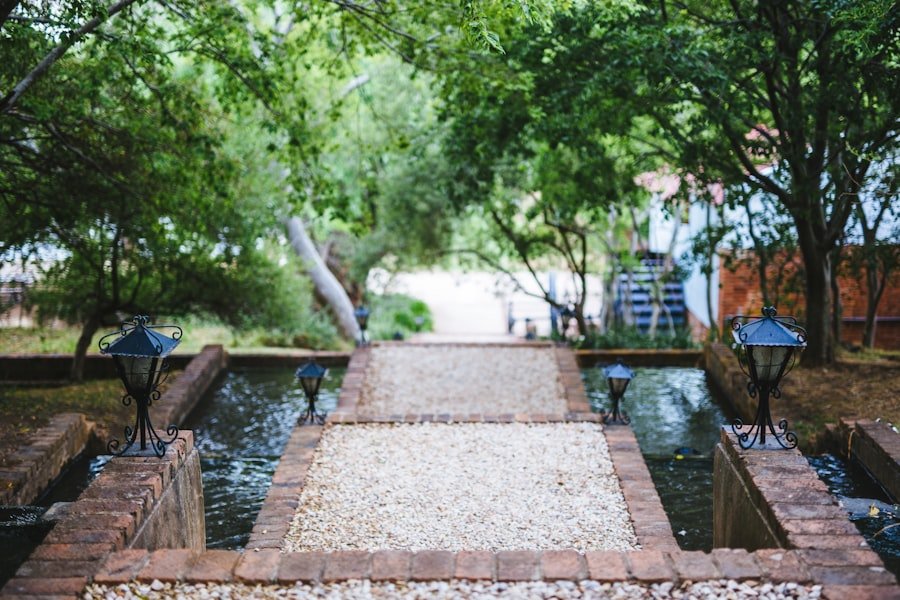
Beyond practical considerations, there are strategic advantages to timing your landscape lighting installation during specific periods.
Maximizing Seasonal Enjoyment
The desire to enjoy your outdoor living spaces during peak seasons often dictates when you choose to install lighting.
Preparing for Summer Evenings
If you envision enjoying illuminated patios, pathways, and garden features during long summer evenings, spring is an opportune time for installation. Having your lighting system fully operational before the peak of summer allows you to immediately benefit from your investment, extending your outdoor living hours well into the night. It’s like preparing your boat for sailing before the prime season arrives.
Embracing Autumnal Ambiance
For those who appreciate the cozy and dramatic atmosphere of autumn, installing lighting in late summer or early fall can enhance the beauty of fall foliage and extend the usability of outdoor areas as days shorten. uplighting on deciduous trees in their autumnal glory can create stunning visual effects.
When considering the best time to install landscape lighting, it’s also beneficial to explore related topics that can enhance your outdoor space. For instance, understanding the advantages of proper irrigation can significantly complement your landscaping efforts. You can find valuable insights in this article about irrigation services, which discusses how effective watering systems can work in harmony with your lighting design to create a stunning and well-maintained garden.
Financial and Logistical Considerations
Sometimes the “best” time is influenced by factors beyond just weather or aesthetics, including contractor availability and potential cost savings.
Contractor Availability and Scheduling
Just like any skilled trade, landscape lighting installers experience peak seasons. During these busy periods, scheduling an installation can be challenging, and you may face longer wait times. Planning your project during off-peak seasons, typically late fall through early spring (weather permitting), can offer greater flexibility in scheduling and potentially faster project completion. This can also lead to more direct attention from your chosen contractor.
Potential for Off-Season Discounts
While not always guaranteed, some contractors may offer slight discounts or more competitive pricing during their slower periods to keep their crews busy. Inquire about such possibilities during the quotation process. This isn’t a guarantee, but it’s a possible perk of thoughtful timing.
Tax Incentives and Energy Rebates
Periodically, local or federal governments may offer tax incentives or energy rebates for installing energy-efficient home improvements, including LED landscape lighting. Research these opportunities, as their availability can influence the timing of your purchase and installation to maximize cost savings. These incentives act as a subtle tailwind for your investment.
When Not to Install Landscape Lighting
Just as there are optimal times, there are also periods that are generally less ideal for installation.
During Peak Growing Season for Established Gardens
Trenching through established garden beds during their peak growing season risks damaging delicate root systems and disturbing flourishing plants. While not impossible, it requires significantly more careful hand-digging and a greater investment of time and effort to avoid harm.
During Periods of Expected Severe Weather
Avoid scheduling installations during forecasts of severe storms, heavy snow, or extended periods of freezing temperatures. These conditions not only pose safety risks to installers but can also damage equipment and compromise the integrity of the installation.
When Your Landscape is in Flux
If you anticipate major changes to your landscape in the near future (e.g., adding a pool, building an addition, or significant tree removal), it’s often prudent to delay permanent landscape lighting installation. Temporary or flexible lighting solutions might be more appropriate until your landscape design stabilizes, preventing the need for costly adjustments later. Imagine setting a permanent anchor point on a boat that’s still drifting; it’s illogical.
Conclusion: A Holistic Perspective

The “best” time to install landscape lighting is a multifaceted answer, influenced by design integration, weather suitability, landscape readiness, and strategic planning. By considering these various factors, you can ensure a smooth, efficient, and ultimately successful landscape lighting project that enhances the beauty, safety, and functionality of your outdoor spaces for years to come. Approaching this decision with a holistic perspective, rather than a reactive one, will yield the most satisfactory results.
FAQs
When is the best season to install landscape lighting?
The best time to install landscape lighting is during the spring or fall. These seasons offer mild weather conditions, making installation easier and more comfortable. Additionally, planting and landscaping activities often coincide with these times, allowing for better integration of lighting fixtures.
Should landscape lighting be installed before or after landscaping?
It is generally recommended to install landscape lighting after major landscaping work is completed. This ensures that the lighting design complements the final layout of plants, pathways, and other features, and prevents damage to fixtures during planting or construction.
How long does it typically take to install landscape lighting?
The installation time varies depending on the size and complexity of the project. For a standard residential setup, it usually takes between one to three days. Larger or more intricate designs may require additional time for planning and installation.
Can landscape lighting be installed in any weather condition?
While landscape lighting can technically be installed in various weather conditions, it is best to avoid extreme weather such as heavy rain, snow, or freezing temperatures. These conditions can complicate installation and affect the safety and performance of electrical components.
Is professional installation necessary for landscape lighting?
Professional installation is recommended, especially for complex systems or when electrical wiring is involved. Professionals ensure that the lighting is safely installed, properly grounded, and compliant with local codes, which enhances both safety and functionality.