
We, as homeowners and gardeners, often grapple with the mysteries hidden beneath our lawns. One such enigma is the optimal depth for a sprinkler system. It’s a question that, at first glance, seems straightforward, yet it unpacks a surprising array of considerations. We’re not just digging a hole; we’re laying the groundwork for efficient irrigation, protecting our investment, and ensuring the longevity of our landscape.
Before we delve into the gritty details of digging, let us first establish a foundational understanding of what comprises a typical sprinkler system. This will contextualize our excavation efforts and help us appreciate the delicate balance we strive for.
Main Line Components
The main line acts as the circulatory system of our irrigation setup, ferrying water from its source to the various zones.
- Point of Connection: This is where our sprinkler system taps into the primary water supply, typically through a backflow preventer. The depth of this connection often dictates the initial trench depth.
- Backflow Preventer: A critical safety device, the backflow preventer prevents contaminated irrigation water from siphoning back into our potable water supply. Its installation depth is often governed by local plumbing codes and manufacturer specifications, usually above ground or in an easily accessible pit.
- Main Line Piping: This robust piping, often Schedule 40 PVC or poly pipe, carries pressurized water throughout the system. Its depth is paramount for frost protection and minimizing damage from external forces.
Lateral Line Components
Lateral lines branch off the main line, delivering water directly to the sprinkler heads.
- Zone Valves: These electromechanical valves control the flow of water to individual sprinkler zones. They are typically housed in valve boxes, which are then buried to be flush with the ground, making their connection points critical for trench depth.
- Lateral Line Piping: Usually smaller in diameter than the main line, lateral lines feed individual sprinkler heads within a zone. Their depth is less critical for pressure but equally important for protection.
- Sprinkler Heads: The most visible component of our system, these devices emerge from the ground to distribute water. Their connection to the lateral lines necessitates a specific depth range for optimal performance and protection.
When considering the installation of a sprinkler system, it’s essential to understand not only how deep to dig but also the importance of proper drainage to protect your property. For insights on this topic, you can refer to the article on why proper drainage is key to protecting your foundation. This resource highlights how effective drainage can prevent water accumulation and potential damage, which is crucial when planning your sprinkler system. To read more, visit this article.
Factors Influencing Digging Depth
The question of “how deep?” is not monolithic; it’s a tapestry woven with several threads of environmental and practical considerations. We will explore these factors, appreciating their individual weight and their collective influence on our digging strategy.
Frost Line Considerations
Perhaps the most significant determinant of our digging depth is the local frost line. This is the maximum depth to which soil moisture freezes in winter. We must bury our pipes below this line to prevent expansion and contraction that can lead to costly ruptures.
- Geographical Location: Different regions possess vastly different frost lines. A homeowner in Florida, for instance, faces a considerably shallower frost line (if any) compared to their counterpart in Minnesota. We must consult local building codes or agricultural extension offices for precise frost depth data. This data is our compass in the wintry wilderness of pipe protection.
- Soil Type and Moisture Content: While the frost line is a general guideline, soil type and its moisture content can influence the actual freezing depth. Denser, moister soils tend to conduct cold more efficiently and freeze deeper than sandy, well-draining soils. We acknowledge that generalizations are useful, but local nuances demand our attention.
- Pipe Material: While not directly influencing the depth of the frost line, the material of our pipes does impact their resilience to freezing. PVC and polyethylene pipes, while robust, are still susceptible to damage when water freezes inside them. We are not just burying pipes; we are safeguarding the flow.
Protection from External Damage
Beyond the invisible threat of frost, our sprinkler system faces tangible hazards from above. Our digging depth acts as a protective shield.
- Lawn Mowers and Aerators: These common lawn maintenance tools can inflict significant damage on shallowly buried pipes. A mower blade can slice through a lateral line, and an aerator can puncture or even pull up a pipe, leading to leaks and costly repairs. We must envision the worst-case scenario and preemptively mitigate it.
- Foot Traffic and Vehicle Weight: While most residential sprinkler systems are installed in areas with minimal vehicular traffic, heavy foot traffic or the occasional movement of lawn equipment can compact soil and put stress on pipes if they are too shallow. A pipe too close to the surface becomes a tripping hazard for itself.
- Future Landscape Modifications: We must consider the potential for future additions to our landscape, such as planting new trees, installing garden beds, or even adding a patio. A well-designed and deeply buried system minimizes the risk of accidental damage during these future endeavors. We are not just building for today; we are building for tomorrow.
Optimal Sprinkler Head Performance
The depth at which our lateral lines are buried also influences the effective pop-up height of our sprinkler heads. This is a subtle yet significant detail for efficient water distribution.
- Pop-up Height: Sprinkler heads are designed to emerge a certain height above the ground to clear surrounding grass and vegetation for optimal spray patterns. If our lateral lines are too deep, the sprinkler head may not pop up sufficiently, leading to water obstruction and uneven coverage. We want our sprinkler heads to be the orchestral conductors of water, unimpeded.
- Adjustability of Heads: Many sprinkler heads offer some degree of adjustability for their pop-up height. However, there are limits to this adjustability. Burying the lateral line too deep can exceed these limits, requiring extensive re-trenching or specialized risers. We must work within the design parameters of our chosen components.
Recommended Digging Depths
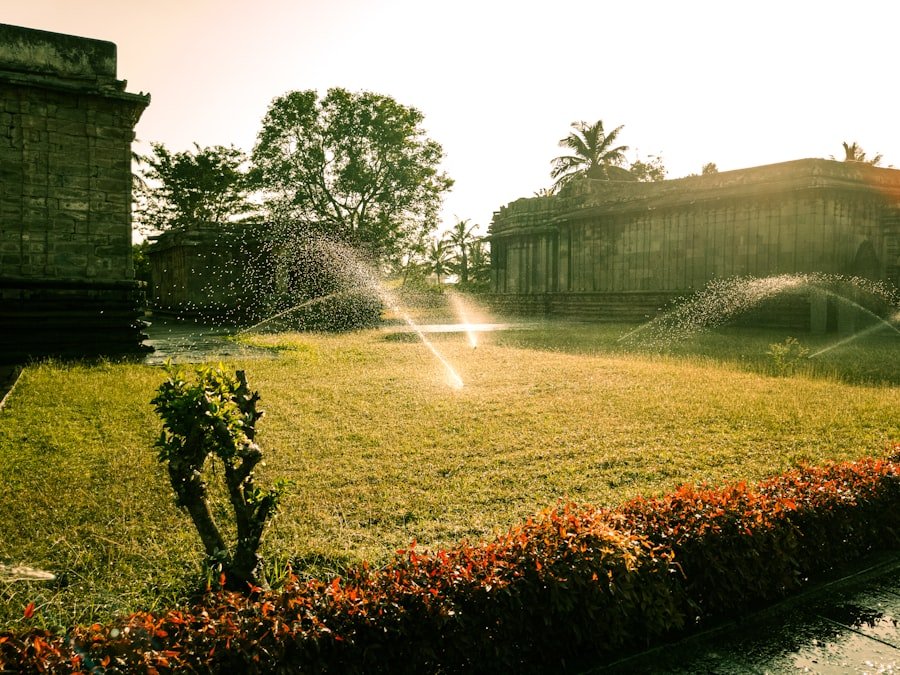
Having explored the diverse factors, we can now establish some general guidelines for digging depths. These are not immutable laws but rather well-established best practices derived from years of collective experience.
Main Line Depth
The main line, being the primary artery of our system, demands the most generous burial depth.
- Below the Frost Line: Our unequivocal primary objective for the main line is to bury it below the local frost line. This is not negotiable. If the frost line is 18 inches, our main line must be at least 18 inches deep, preferably a few inches more for added safety.
- Minimum 12-18 Inches in Frost-Free Zones: Even in regions where frost is not a concern, we advocate for a minimum main line depth of 12 to 18 inches. This provides ample protection from accidental digging, lawn equipment, and other surface disturbances. Think of it as a deep, secure vein beneath the skin of our lawn.
Lateral Line Depth
Lateral lines carry less pressurized water and are generally more flexible, allowing for a slightly shallower burial depth compared to the main line.
- 6-12 Inches for Residential Applications: For most residential sprinkler systems, a depth of 6 to 12 inches for lateral lines is typically sufficient. This allows sprinkler heads to pop up effectively while providing adequate protection from routine lawn care. We are seeking a balance between accessibility and security.
- Consideration for Large Turf Areas: In expansive turf areas or commercial settings where heavier maintenance equipment might be used, we might opt for the deeper end of this range, or even slightly exceed it, to guarantee protection. A golf course, for example, demands more robust protection than a suburban flowerbed.
Valve Box and Backflow Preventer Pit Depths
These components require specific considerations due to their need for occasional access.
- Flush with Grade for Valve Boxes: Valve boxes should be installed so their lids are flush with the surrounding ground level. This allows for easy access while preventing them from becoming obstacles. The pipes entering and exiting the valve box will, of course, follow the appropriate lateral line depths. We want them to blend seamlessly with the landscape, like hidden treasures.
- Manufacturer Specifications for Backflow Preventers: Backflow preventers, especially those installed underground in pits, have precise installation requirements dictated by the manufacturer and local plumbing codes. These specifications often involve specific depth and drainage considerations. We must treat these specifications as sacred texts.
Tools and Techniques for Digging
Now that we understand the “why” and “how much,” let us turn our attention to the “how.” The art of digging efficiently and safely is a skill we must cultivate.
Manual Digging
For smaller projects or precise trenching, manual digging remains a viable, albeit labor-intensive, option.
- Shovels and Spades: Our trusted companions in the soil. A trenching shovel, with its narrow blade, is particularly effective for creating clean, deep trenches. We must leverage our body weight and maintain good posture to avoid strain.
- Pickaxes and Mattocks: For compacted or rocky soil, these heavier tools become invaluable. They allow us to break up stubborn earth before clearing it with a shovel. We must wield them with care and precision, recognizing their raw power.
- Measuring Tapes and String Lines: Essential for maintaining consistent depth and straight lines. A string line stretched between two stakes acts as our visual guide, ensuring aesthetically pleasing and functionally sound trenches. Our eyes can deceive us; the string line does not.
Mechanical Trenchers
For larger projects or challenging soil conditions, mechanical trenchers offer a significant advantage in terms of speed and efficiency.
- Walk-Behind Trenchers: These are ideal for moderately sized residential projects. They quickly create consistent trenches, saving us considerable time and physical exertion. Rental centers typically offer a variety of sizes and capabilities. We should consider them an extension of our own digging prowess.
- Ride-On Trenchers: For extensive commercial irrigation systems or very long runs, ride-on trenchers are the workhorses. They are powerful and fast but require more experience to operate safely. We recognize that with great power comes great responsibility.
Safety Precautions
Digging, whether manual or mechanical, presents inherent risks. We must prioritize our safety and the safety of those around us.
- Call Before You Dig (811): This is paramount. Always, without exception, call 811 several days before you plan to dig. This service will mark the location of underground utility lines (gas, electric, water, sewer) to prevent accidental strikes, which can be catastrophic. We are not just digging for our sprinkler system; we are preserving the intricate web of our community’s infrastructure.
- Wear Appropriate Personal Protective Equipment (PPE): This includes sturdy gloves to protect our hands, safety glasses to shield our eyes from flying debris, and steel-toed boots to protect our feet. We must treat our bodies as valuable tools, worthy of protection.
- Be Aware of Your Surroundings: Always be mindful of people, pets, and obstacles in the digging area. When operating mechanical equipment, maintain a safe distance from others and be aware of pinch points and moving parts. Our vigilance is our greatest defense.
- Proper Lifting Techniques: When manually moving soil, bend at our knees, not our backs. Lift with our legs to minimize strain and prevent injuries. We are not Herculean, but we can be smart.
When planning the installation of a sprinkler system, understanding the depth requirements is crucial for ensuring optimal performance and longevity. For those interested in enhancing their outdoor spaces further, exploring the latest trends in landscape lighting can complement your irrigation efforts beautifully. You can read more about these exciting developments in this informative article on landscape lighting trends that can elevate the aesthetic appeal of your home in Saddle Brook, NJ.
Our Concluding Thoughts on Depth
In our collective journey to understand the optimal digging depth for a sprinkler system, we’ve navigated the intricate landscape of frost lines, potential damage, and system performance. We’ve come to appreciate that the answer is not a single number but a well-reasoned compromise, informed by local conditions and best practices.
We must remember that our efforts in the trench are investments in the future health and beauty of our landscape. A well-designed and properly buried sprinkler system is a resilient one, capable of weathering the seasons and providing years of efficient irrigation. We are not merely burying plastic pipes; we are laying the veins of life for our green sanctuaries. Our diligent digging today ensures a verdant tomorrow.
FAQs
How deep should sprinkler pipes be buried?
Sprinkler pipes are typically buried 6 to 12 inches deep to protect them from damage and freezing, though the exact depth can vary based on local climate and soil conditions.
Why is it important to dig to the correct depth for a sprinkler system?
Digging to the correct depth ensures the pipes are protected from surface activities, prevents freezing in colder climates, and allows for proper water pressure and coverage.
Does the depth of digging vary depending on the type of sprinkler system?
Yes, the depth can vary depending on whether the system uses PVC, polyethylene, or metal pipes, as well as the type of sprinkler heads and local regulations.
How do local climate conditions affect the depth of sprinkler system installation?
In colder climates, pipes need to be buried deeper, often below the frost line, to prevent freezing. In warmer climates, shallower depths may be sufficient.
Can I install a sprinkler system without digging deep trenches?
While some above-ground or surface-mounted sprinkler systems exist, traditional in-ground sprinkler systems require digging trenches to properly install pipes and ensure durability and effectiveness.