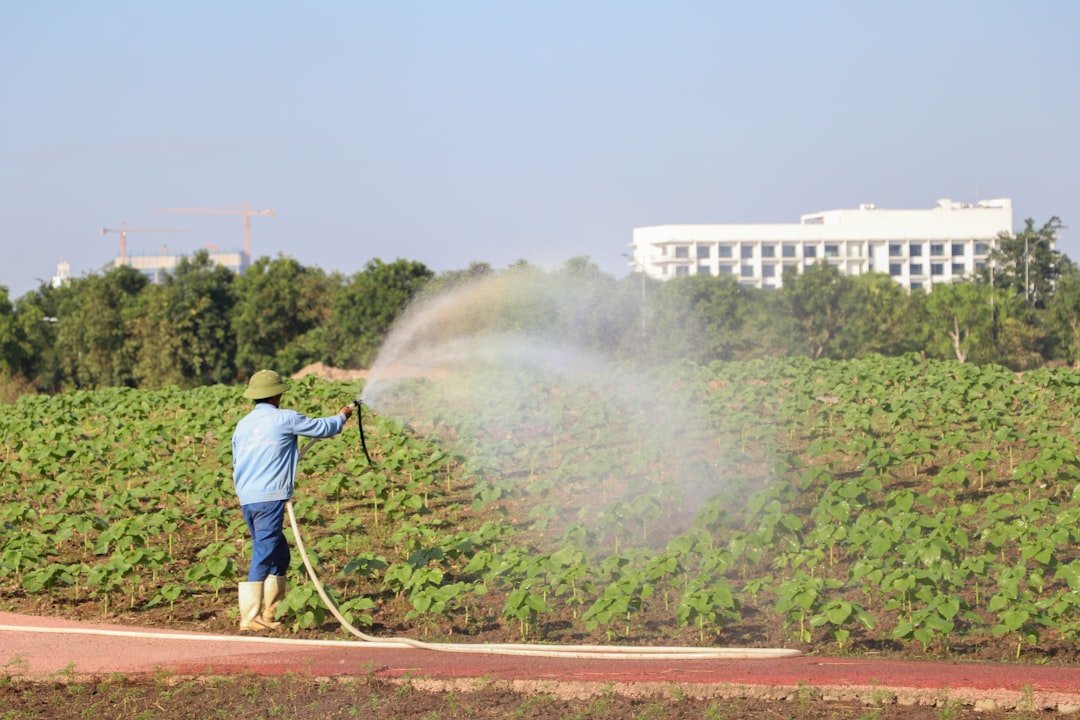
Watering lawn areas effectively during summer months is crucial for maintaining their health and appearance. Many factors influence a lawn’s water requirements, including climate, soil type, grass species, and the specific demands of the season. Implemented correctly, irrigation practices can prevent drought stress, promote deeper root growth, and contribute to a more vibrant, resilient turf. This guide outlines five key irrigation strategies to help you achieve and sustain a green lawn throughout the summer.
A healthy lawn acts as a sponge, absorbing water to sustain its growth and function. During the summer, this “sponge” can dry out rapidly, especially when faced with prolonged periods of heat and reduced rainfall. Understanding the nuances of how your lawn uses and loses water is the first step towards efficient and effective irrigation.
How Grass Utilizes Water
Grass is a living organism that requires water for several vital processes. Photosynthesis, the process by which plants convert sunlight into energy, necessitates water. Additionally, water plays a critical role in nutrient transport within the plant, moving essential minerals from the soil to the leaves. Transpiration, the evaporation of water from the leaves, also helps to cool the plant, much like sweat cools the human body. This cooling effect is particularly important during hot summer days.
Factors Influencing Water Loss
Several environmental and biological factors contribute to the rate at which a lawn loses water.
Evaporation
The direct evaporation of water from the soil surface into the atmosphere is a significant factor. This is exacerbated by high temperatures, low humidity, and wind. On a hot, windy day, considerable moisture can vanish from the soil before the grass roots can even access it.
Transpiration
As mentioned, transpiration is the process by which plants release water vapor from their leaves. While essential for cooling, it also means that the grass actively “drinks” and then “breathes out” water. The rate of transpiration increases with temperature and sunlight intensity.
Soil Type
The composition of your soil plays a significant role in its water-holding capacity.
Sandy Soils
Soils with a high percentage of sand drain rapidly. This means they can hold less water and require more frequent watering, though care must be taken not to overwater and lead to nutrient leaching.
Clay Soils
Clay soils, conversely, have a high capacity to hold water. However, they can also become compacted, hindering water infiltration and root development. Heavy clay soils may require less frequent watering but benefit from longer, deeper watering sessions when they do occur.
Loam Soils
Loam, a balanced mixture of sand, silt, and clay, generally offers good drainage and water retention, making it ideal for most lawn types.
Grass Species
Different grass species have varying drought tolerance levels. Cool-season grasses, such as Kentucky bluegrass and fescues, generally fare better in cooler climates but can struggle during prolonged summer heat waves. Warm-season grasses, like Bermuda grass and Zoysia grass, are naturally more heat and drought-tolerant. Understanding your lawn’s dominant grass type can inform your watering schedule.
Recognizing Signs of Drought Stress
Observing your lawn for visual cues is paramount to understanding its hydration status.
Wilting and Color Change
One of the earliest signs of water stress is wilting. The blades of grass will appear to droop. This wilting is often followed by a distinct bluish-gray or dull green color. As the stress intensifies, the grass may turn a yellowish-brown.
Footprint Test
A simple test to assess moisture levels is the footprint test. Walk across your lawn. If the grass blades spring back quickly after you step on them, the soil is likely adequately moist. If the blades remain pressed down for an extended period, it indicates a need for water.
For those looking to enhance their lawn care routine, you might find additional valuable insights in the article titled “5 Essential Lawn Care Tips for a Lush Landscape.” This resource complements the tips provided in “5 Irrigation Tips to Keep Your Lawn Green All Summer” by offering guidance on soil health, fertilization, and pest management. To explore more, visit the article here: 5 Essential Lawn Care Tips for a Lush Landscape.
Optimizing Watering Times
The timing of your irrigation can significantly impact its effectiveness. Watering at the wrong time can lead to wasted water and an increased risk of disease.
The Benefits of Early Morning Watering
Watering your lawn in the early morning, typically between 4 AM and 10 AM, is widely recommended. This period offers several advantages:
Reduced Evaporation
During the early morning hours, temperatures are generally cooler, and the sun’s intensity is lower. This significantly reduces water loss through evaporation, meaning more water is available for the grass roots to absorb. It’s like filling a leaky bucket during the coolest part of the day when less of the contents will spill out.
Minimized Disease Risk
Watering in the early morning allows the grass blades to dry relatively quickly throughout the day. Damp grass left overnight provides an ideal environment for fungal diseases to thrive. By allowing the foliage to dry before evening, you create a less hospitable environment for pathogens.
Efficient Absorption
As the grass begins its daily photosynthetic activity, it actively draws water from the soil. Watering in the morning ensures that water is readily available to meet these demands and prepare the grass for the heat of the day.
Avoiding Midday and Evening Watering
Watering during the peak heat of midday is generally inefficient.
High Evaporation Rates
As temperatures soar and solar radiation is at its peak, a substantial portion of the water applied will evaporate from the soil surface and the grass blades before it can be absorbed by the roots. This is akin to pouring water onto a hot skillet – much of it vaporizes instantly.
Increased Risk of Fungal Diseases
Watering in the evening, especially if the grass remains wet overnight, creates a conducive environment for fungal growth. Many common lawn diseases, such as dollar spot and red thread, are exacerbated by prolonged periods of leaf wetness.
Deep and Infrequent Watering Techniques
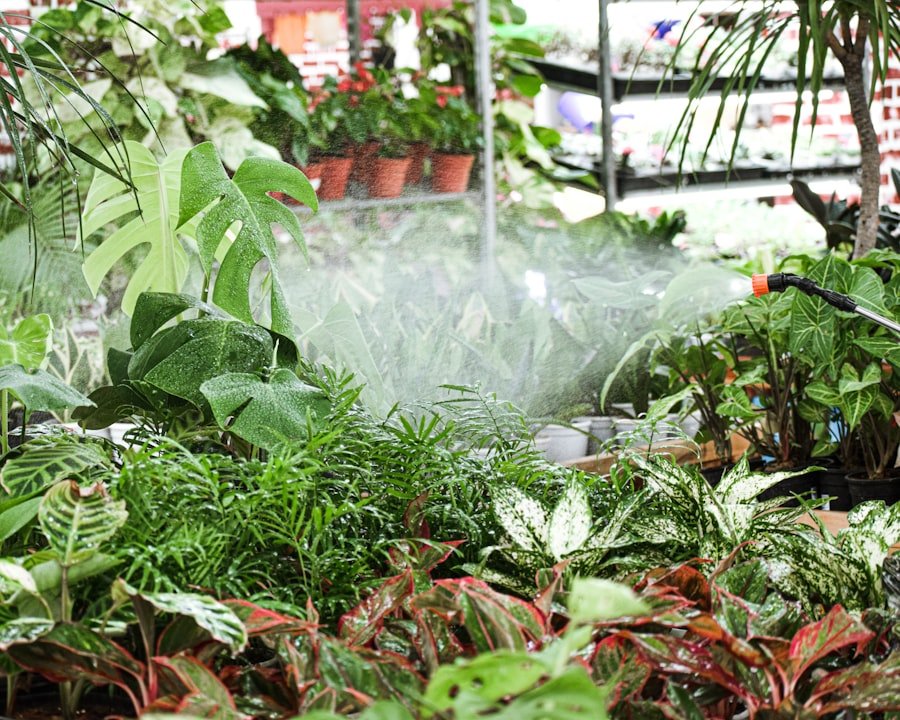
Establishing a healthy root system is foundational to drought resilience. This is achieved through a watering strategy that encourages roots to grow deeper into the soil.
The Principle of Encouraging Deep Roots
The goal of deep watering is to saturate the soil to a significant depth, extending the moisture zone well below the surface. When watered shallowly and frequently, grass roots tend to stay near the surface, becoming vulnerable to drying out during hot spells. Conversely, when consistently watered to a greater depth, roots are incentivized to grow downwards in search of moisture. This creates a more robust and drought-tolerant plant.
How to Achieve Depth
To ensure water penetrates deeply, adjust your watering practices accordingly.
Longer Watering Durations
Instead of short, frequent sprinklings, opt for longer watering sessions. The duration required will vary depending on your irrigation system’s output, soil type, and prevailing weather conditions. The objective is to allow water to soak in thoroughly.
Measuring Soil Moisture
A simple way to gauge watering depth is to use a soil probe or a trowel. After watering, dig a few inches into the soil. You should observe moist soil down to at least 4-6 inches for established lawns. For newly seeded areas, slightly shallower depths may suffice initially, but the principle remains.
Calculating Application Rates
Understanding how much water your irrigation system applies is beneficial. Place several empty cans or containers of uniform size around your lawn before watering. Measure the depth of water collected in these containers after a typical watering cycle. This will give you an average application rate for your system.
The Importance of Infrequency
Once deep watering is established, it is crucial to allow the soil surface to dry out between watering sessions.
Allowing the Soil to Rest
When the soil surface dries, it signals to the roots that they must continue to grow deeper to access available moisture. This cycle of drying and re-wetting promotes stronger, more extensive root development. Watering too frequently, even if deep, can lead to waterlogged conditions, which are detrimental to root health and can encourage disease.
Finding the Right Balance
The frequency of watering will depend on the factors previously discussed: climate, soil, and grass type. A general guideline for established lawns in hot summer conditions might be to water once or twice a week, ensuring each watering is deep. However, constant observation of the lawn’s condition is the best indicator.
Adjusting Watering Based on Weather Patterns
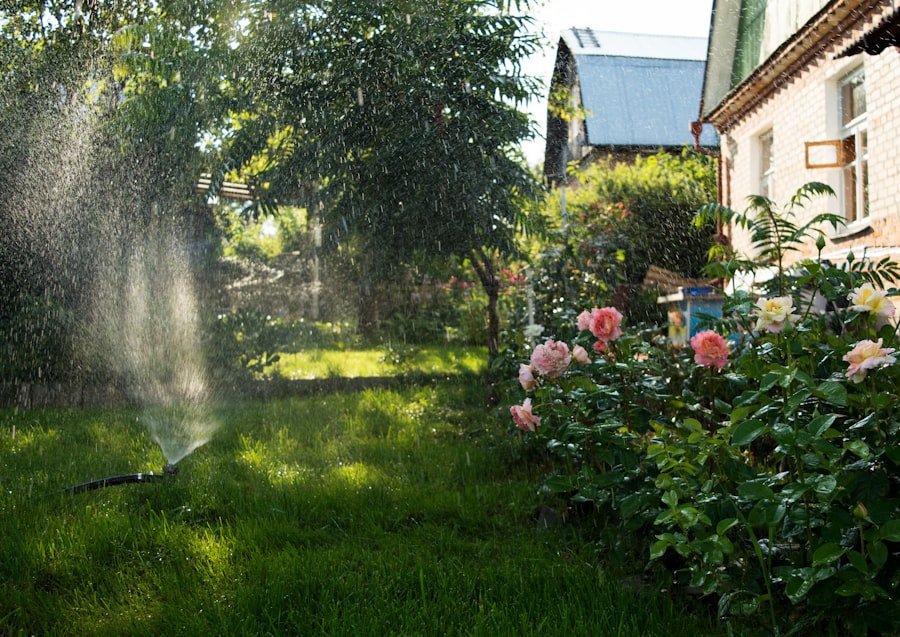
Your lawn’s hydration needs are not static; they are dynamic and directly influenced by the weather. A flexible approach to irrigation, responsive to current and forecasted conditions, is essential for efficiency and effectiveness.
The Impact of Heat Waves
Prolonged periods of high temperatures significantly increase a lawn’s water demands.
Increased Evapotranspiration
During heat waves, both evaporation from the soil and transpiration from the grass increase dramatically. This means the lawn is losing water at an accelerated rate.
Supplemental Watering
In such conditions, you may need to supplement your regular deep watering schedule. This might involve slightly increasing the duration of your scheduled watering, or in extreme cases, adding an extra light watering during the hottest part of the day to provide temporary relief – though this should be done with caution to avoid water waste and disease. The goal is to prevent severe wilting and irreversible damage.
The Role of Rainfall
Rainfall is the lawn’s natural irrigation system. It’s important to account for it.
Using Rain Gauges
Invest in a rain gauge to accurately measure how much precipitation your lawn has received. This information is vital for making informed decisions about whether to water.
Skipping or Reducing Watering
If your lawn receives a significant amount of rainfall – generally more than 0.5 inches – you can likely skip or reduce your scheduled watering. Overwatering after rain can be as detrimental as underwatering.
Adapting to Humidity Levels
Humidity also plays a role in water loss.
Higher Humidity, Lower Water Loss
When humidity is high, the rate of both evaporation and transpiration tends to decrease. This is because the air is already saturated with moisture, making it less able to readily absorb more.
Lower Humidity, Higher Water Loss
Conversely, low humidity leads to increased water loss from the lawn. During dry spells, even if temperatures are moderate, you may need to increase watering frequency or duration.
If you’re looking to maintain a lush and vibrant lawn throughout the summer months, you might find the article on effective irrigation strategies particularly helpful. It complements the tips provided in “5 Irrigation Tips to Keep Your Lawn Green All Summer” by offering additional insights into the best practices for watering your garden and ensuring that your plants thrive even in the heat. By combining these resources, you can create a comprehensive plan to keep your outdoor space looking its best all season long.
Utilizing Irrigation Technologies and Techniques
Modern irrigation offers various tools and methods to enhance efficiency and precision.
Understanding Sprinkler Types
Different types of sprinklers deliver water in distinct ways.
Rotary Sprinklers
These sprinklers rotate, throwing water in a circular or arc pattern. They are generally suitable for larger lawn areas and can be adjusted for coverage. However, they can sometimes lead to uneven watering and increased drift.
Pop-Up Sprinklers
Integrated into the landscape, these sprinklers pop up when activated and retract when not in use. They offer a neat appearance and can be more efficient than above-ground sprinklers if properly zoned and maintained.
Oscillating Sprinklers
These sprinklers move back and forth, covering a rectangular or fan-shaped area. They can be effective for smaller, square or rectangular lawns but may not provide the most uniform coverage.
Considering Drip Irrigation for Specific Areas
While less common for entire lawn expanses, drip irrigation can be invaluable for specific zones or for watering around trees and shrubs adjacent to lawn areas.
Water-Wise and Targeted
Drip irrigation delivers water directly to the root zone of plants, minimizing water loss through evaporation and runoff. This is highly efficient, especially in areas where water conservation is a priority.
Reducing Leaf Wetness
By delivering water directly to the soil, drip systems help keep grass blades dry, further reducing the risk of fungal diseases.
Zone-Based Watering
Most lawns have areas with varying watering needs due to sun exposure, soil type, or slope.
Identifying Hydrozones
Divide your lawn into “hydrozones” – areas with similar water requirements. Some areas might be heavily shaded and require less water, while others might be exposed to full sun and need more.
Tailoring Schedules
Program your irrigation system to water each zone according to its specific needs. This prevents overwatering in some areas and underwatering in others, leading to a more uniformly healthy lawn and conserving water.
Smart Controllers and Weather Stations
Modern irrigation controllers can automate and optimize watering based on real-time data.
Weather-Based Controllers
These smart controllers connect to local weather data or use on-site sensors to adjust watering schedules automatically. They can skip watering cycles when rain is forecast or increase watering during periods of high heat and low rainfall.
Soil Moisture Sensors
Installing soil moisture sensors provides direct feedback on the water content of your soil. This allows for precise watering, ensuring that your lawn is watered only when it actually needs it, at the appropriate depth.
By implementing these irrigation tips, you can cultivate a lush, green lawn that not only enhances your property’s aesthetic appeal but also demonstrates a responsible approach to water management throughout the summer months.
FAQs
How often should I water my lawn during the summer?
It is generally recommended to water your lawn about 1 to 2 times per week during the summer, providing approximately 1 to 1.5 inches of water each time. This helps maintain deep root growth and keeps the grass healthy.
What is the best time of day to irrigate my lawn?
The best time to water your lawn is early in the morning, typically between 4 a.m. and 10 a.m. This timing reduces water loss due to evaporation and allows the grass to dry before evening, minimizing the risk of disease.
How can I avoid overwatering my lawn?
To avoid overwatering, use a rain gauge or a soil moisture sensor to monitor how much water your lawn is receiving. Water only when the top 1 to 2 inches of soil are dry, and adjust irrigation based on rainfall and temperature.
What type of irrigation system is most effective for keeping a lawn green?
Sprinkler systems that provide even coverage and can be adjusted for water output are effective for lawn irrigation. Drip irrigation is less common for lawns but can be used in specific areas. Ensure your system is well-maintained and free of leaks.
How does soil type affect irrigation needs?
Soil type influences how quickly water is absorbed and retained. Sandy soils drain quickly and may require more frequent watering, while clay soils retain moisture longer and need less frequent irrigation. Understanding your soil type helps tailor your watering schedule.